What could you do differently?
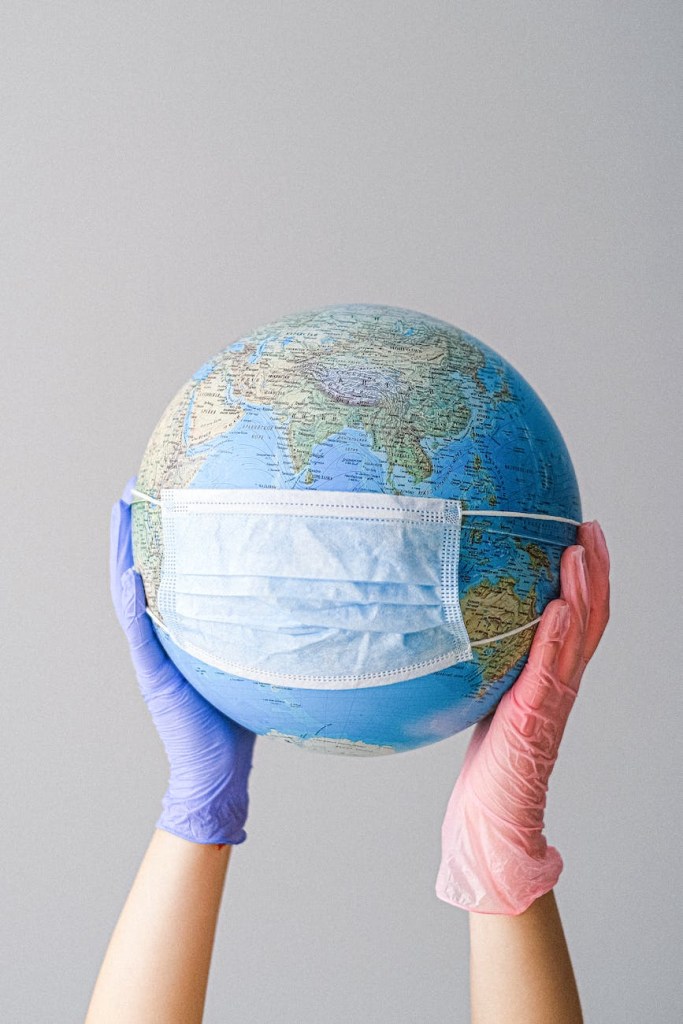
In 2020 Covid-19 made a global appearance and with that came national lockdowns, borders closed, planes were land bound and people were home bound. Since 2020 there has been a global shift in behaviours, the economy, medical practice and clinical research (1).
When the world came to a pause, so did clinical trials. Melanie Anderson wrote how during the Covid-19 pandemic ‘thousands of clinical trials all over the world were stopped, disrupted or delayed’ and ‘resources were redeployed’ as countries fought to control the Covid-19 virus (2). The repercussions of the delays in clinical research brought on by the pandemic are still not fully known. However, some impacts we have seen include delays in drug production and so forth, reductions in supply. This results in people having reduced access to medication they may be reliant on and healthcare providers having limited options in what to prescribe patients due to the retraction in supply.
Maybe you even experienced this yourself?
That is just one example of the impact delaying clinical trials has had.
However, like change often does, the pause in clinical trials gives scientists an opportunity to re-evaluate traditional approaches to clinical trial conduct.
Melanie Anderson wrote how clinical trial practice could be improved through ‘decentralising site visits, introducing new methods of sample collection, […] reducing sample volumes and collaborating on device development.’ She emphasised how this would reduce participation burden whilst improving clinical trial data (2).
Focusing more on the capacity for countries to conduct clinical trials, Park and colleagues outlined how the Covid-19 pandemic emphasised the need to provide the same opportunities to those in low-income countries for clinical trial research as there are in high income countries. They also wrote about the importance of reducing the resource gap in low-resource regions where clinical trial research receives considerably less research funding (3). This would enable increased global collaboration on projects, resulting in ultimately improved research.
The limitations in clinical trial conduct and unequal resource distribution were not created by the Covid-19 pandemic but were emphasised by it (and likely worsened). So perhaps by forcing research to stop and evaluate itself, the Covid-19 pandemic has enabled countries, organisations and individuals to improve clinical trial conduct and increase global collaboration. Though we still have a long way to go…
Written by Francesca Giannachi-Kaye
Reference list:
1. https://www.uab.edu/news/youcanuse/item/12697-how-the-covid-19-pandemic-changed-society
2. https://www.ncbi.nlm.nih.gov/pmc/articles/PMC8288280/
3. https://www.thelancet.com/journals/langlo/article/PIIS2214-109X(20)30542-8/fulltext
 All Things Biology