Written by: Lily Hunter
Edited by: George Bonner
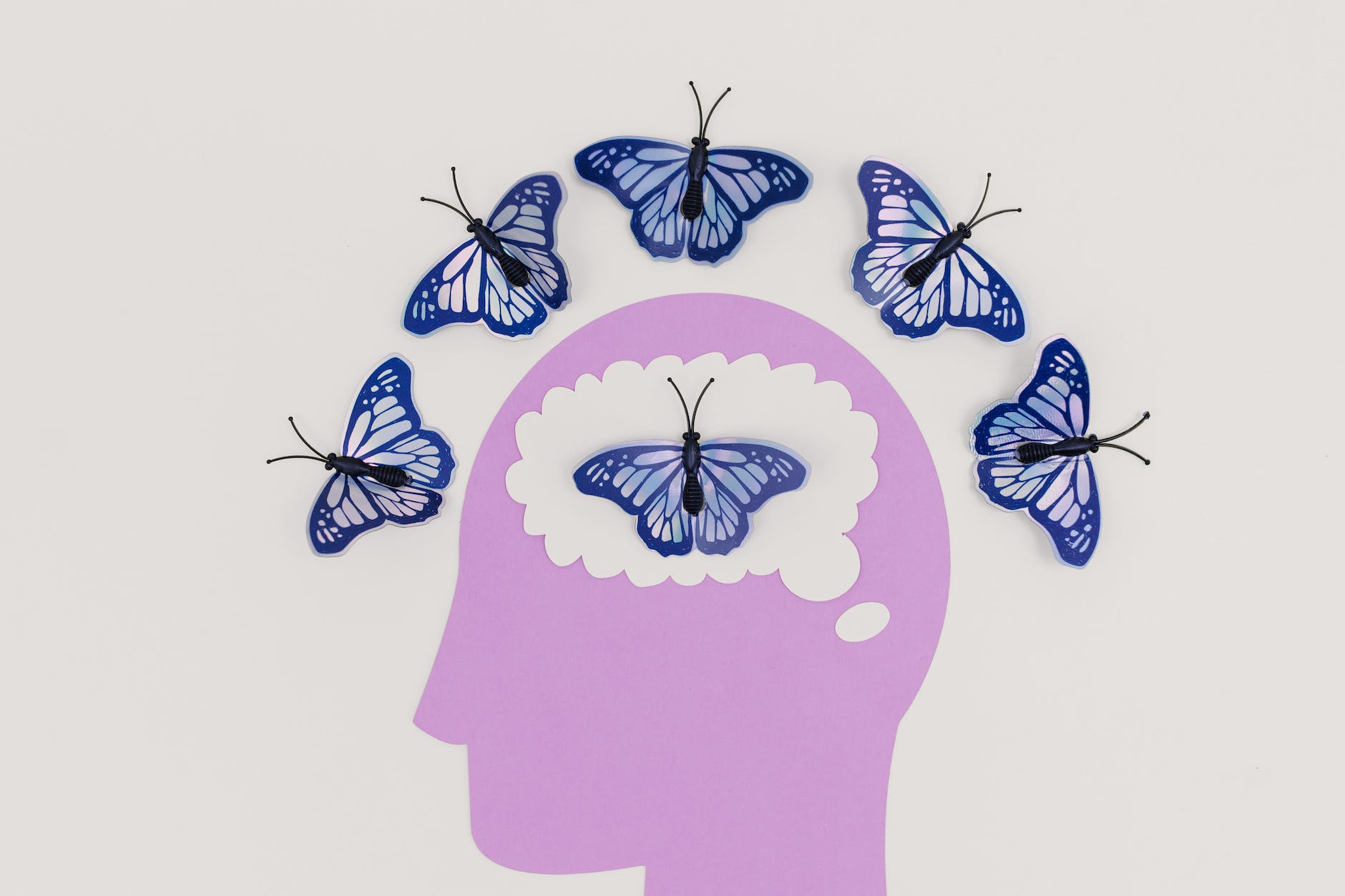
Whether through browsing social media or on the walls of the underground, we’ve all seen those ads: creams, serums, salves – all promising facial rejuvenation. Anti-wrinkle anti-ageing anti-eyebags anti-everything under the sun, and yet people seem to forget that our insides age with our outsides, and what organ is more important to protect from the negative effects of ageing than our brains? So here are some of the best tips on how to keep yourself sharp as you age.
Brain Shrinkage:
You might be wondering what exactly causes cognitive decline. Unfortunately, the answer is not so simple. There are innumerable reasons and many major theories. Whilst I can’t cover all of them here, I can outline the most important ones.
Firstly, and probably most obviously, the size of our brains decreases with time. Studies have shown that after the age of 40, our brains decrease in volume/weight by 5% per decade. Some think this rate may even increase after you reach 701. While both white and grey matter will decrease with age, the white matter of the frontal lobe sees the most dramatic decline2. The frontal lobe holds areas responsible for functions such as decision-making, problem-solving, attention, planning and other general higher cognitive functions. Understanding human complexity and ensuring good brain health greatly hinges on the frontal lobe, which hosts the most evolved region of the brain—the prefrontal cortex.3.
Now, our brain shrinking as we age is definitely of concern to doctors and scientists alike, and research is being dedicated to the study of this reality, but it is also important to remember that healthy brains age, and this will always lead to some element of shrinkage!
Tau Tangles and Amyloid Plaques:
Another, slightly more concerning element of the brain ageing, is the formation of proteins called tau tangles and amyloid plaques. These terms may sound familiar to you if you know someone who has suffered from Alzheimer’s or dementia. Once again, both of these are naturally occurring proteins in the brain, and can be seen in all brains over the age of 554, but they are signs of neurodegeneration, and, when seen together in high density, are a sign of having developing Alzheimer’s. This is why so many people over retirement age develop the disease as they naturally develop more tangles and plaques. The Alzheimer’s association says that 1/9 people over 65 have Alzheimer’s , and this increases to 1/3 when you reach 85 or older5.
This all may seem very doom and gloom because as of right now, there is no cure or lifestyle change that can stop any of these classic ageing signs in their tracks, but there are definitely things you can do to slow or reduce these processes, and many of them don’t even require drastic lifestyle alterations!
Nourishing the Brain:
In order to keep your brain full and voluminous as you age, the most effective treatment is in your diet. First and foremost, consuming more than your daily recommended energy elevates your risk of cognitive decline. So keep an eye on that, but lowering your energy intake within reason will also increase your life expectancy so in general make sure you try to stick to your 2,000 a day (or 3000 for men)1. Increasing antioxidants (found most commonly in fruit and veg) will reduce oxidative stress on the brain, exaggerating the process of dementia. A decrease in n-6 PFUA, and an increase in n-3 PFUA prevents chronic inflammation and platelet aggregation (otherwise known as blood clots). Finally, heart-healthy foods in your diet keep oxygen flowing to your brain which prevents cell death. That’s a lot of technical words – don’t worry if you don’t know what some of that means! To translate that into your daily diet, try to eat more broccoli, potatoes, strawberries, olive and rapeseed oil, coffee, fatty fish and dark chocolate, and slightly less whole-grain foods like cereals, bread and foods like eggs, poultry and vegetable oils1, 5, 6.
The Secrets of Longevity:
One very interesting study being conducted about a healthy ageing brain, is the Netherlands 100-plus study of cognitively healthy centenarians7. These are people who have reached 100 and are still cognitively healthy. When you think about this, it’s quite an impressive feat, not only reaching 100 but staying collected and discerning in a population where the incidence of dementia is 40% makes them a group definitely worth studying. If you read up on this paper, you would see that they mention that, of course, a big reason for this achievement is heritable. Siblings of centenarians are 8-12 times more likely to reach 100 than the general population, and their children will be 90% less likely to develop diabetes or have a stroke. In other words, these are people that have basically hit the genetic lottery, enriched in protective genes and low in harmful mutations, with 80% still being able to move without aid and an astounding 86% and 77% still having moderate to good hearing and vision respectively7. These centenarians have escaped some of the biggest downfalls of their age.
Don’t worry, this doesn’t mean all is lost if your parents or grandparents don’t happen to be 103 and still doing their daily sudoku. It does however, give us an interesting insight into centenarian’s lifestyles, and how that may have contributed to their old age and healthy mind, because, as we know, your genes are not the only factor that influence your brain’s ageing, as they are always interacting with your environment.
Use it or lose it:
One interesting finding of this study showed that on average, these centenarians had significantly higher levels of education than the general population. Education is said to build ‘cognitive reserves’ which basically means your brain remains flexible and able to use the cognitive networks you create even as your brain changes and ages5. This isn’t too surprising as it suggests the common phrase used in the neuroscience world “use it if you don’t want to lose it’ holds some weight, and also aligns with the findings that consistent learning throughout adulthood has been found before to significantly reduce the incidence of dementia8. So get cracking on Duolingo or those puzzles today! But is this the only reason?
In science it is easy to assume that just because we see a correlation, it automatically equals causation, but this is not always the case. The higher education of this group could be because the cohort was also of a significantly higher socio-economic status than the rest of their birth group, and so the money that was there for education, was also there for a healthier diet, higher quality medical care and leisure. This just shows how much more work there is to be done in this field and how much there still is to prove.
Balancing mind and body:
This leads me to my final tip to keeping your brain young and lively, relaxation and exercise. The effects of stress on the brain are huge, with one article stating that stress causes you to lose neurons in your hippocampus (the brain’s short to long term memory converter) and in your amygdala (the source of our emotional memories), leading to a general loss in the ability to create and retrieve memories9. Another says it causes inflammation, negative moods and subsequently less sleep, which limits blood flow to the brain, killing even more neurons10. All this means that a more stressful life means you have poorer cognitive functioning, faster cognitive decline and a higher likelihood of developing dementia.
Social interaction is one way you can decrease your stress levels, but also, social interaction in itself can have the same effect as education, building cognitive reserves and reducing the risk of developing Alzheimer’s5. So get out there and relax with your friends and always take some time out of your day to relax, however, you choose to do it.
Exercise has been proven to reduce the decline in white and grey matter associated with ageing that was mentioned before1. It also increases heart health which, as mentioned before, is so important to the health of your brain, and has direct correlation with its ability to perform well, and to your body’s overall biological age as well.
Considering all this, what simple lifestyle changes can you make today to keep your brain youthful? Well, maybe start with cutting down slightly on red meat and eat more fish instead. Make your weekends stress-free and your evenings as well, spend your money on a massage rather than a takeaway or go walk your dog with your friends. And don’t forget to keep learning! All Things Biology offers a full range of posts and podcast episodes to keep your mind engaged, so remember: an article a day keeps the ageing brain away!
References:
1. Ageing and the brain – PMC [Internet]. [cited 2024 Jan 17]. Available from: https://www.ncbi.nlm.nih.gov/pmc/articles/PMC2596698/
2. The Impact of Age on Cognition – PMC [Internet]. [cited 2024 Jan 17]. Available from: https://www.ncbi.nlm.nih.gov/pmc/articles/PMC4906299/
3. Superior pattern processing is the essence of the evolved human brain – PMC [Internet]. [cited 2024 Jan 17]. Available from: https://www.ncbi.nlm.nih.gov/pmc/articles/PMC4141622/
4. Tangles and plaques in healthy aging and Alzheimer’s disease: independence or interaction? – ScienceDirect [Internet]. [cited 2024 Jan 17]. Available from: https://www.sciencedirect.com/science/article/pii/S1044576584710517
5. 2023 Alzheimer’s disease facts and figures. Alzheimers Dement. 2023 Apr;19(4):1598–695.
6. Similarities and differences between Alzheimer’s disease and vascular dementia from the viewpoint of nutrition – PubMed [Internet]. [cited 2024 Jan 17]. Available from: https://pubmed.ncbi.nlm.nih.gov/12480746/
7. The 100-plus Study of cognitively healthy centenarians: rationale, design and cohort description – PMC [Internet]. [cited 2024 Jan 17]. Available from: https://www.ncbi.nlm.nih.gov/pmc/articles/PMC6290855/
8. Effects of adult education on cognitive function and risk of dementia in older adults: a longitudinal analysis – PMC [Internet]. [cited 2024 Jan 17]. Available from: https://www.ncbi.nlm.nih.gov/pmc/articles/PMC10480502/
9. Stress and cognitive function – ScienceDirect [Internet]. [cited 2024 Jan 17]. Available from: https://www.sciencedirect.com/science/article/pii/095943889580028X?via%3Dihub
10. The Effects of Stress on Cognitive Aging, Physiology and Emotion (ESCAPE) Project | BMC Psychiatry | Full Text [Internet]. [cited 2024 Jan 17]. Available from: https://bmcpsychiatry.biomedcentral.com/articles/10.1186/s12888-015-0497-7
 All Things Biology