In the past 30 years, we have lost 50% of the world’s coral reefs.
Have you watched the Netflix documentary titled ‘Chasing Coral’? Before I go into more depth, here’s a summary for those who haven’t seen it.
As the frigid water envelops you, your fingers cling to the camera, anticipation coursing through your veins. Darkness shrouds your senses—no sight, no sound—only the lingering taste of salty plastic against your tongue. Tentatively, you part your lips, and the icy brine rushes in, filling your throat. Hope wavers: perhaps this alien world is devoid of life.
Yet, an inexplicable sensation tugs at your consciousness. The pressure on your left shoulder hints at something unseen—a presence. Slowly, you pivot your head. And there it materialises: a turtle, emerging from the hidden recesses of the coral reef. Suddenly, you are no longer alone, but surrounded by life.
In the documentary “Chasing Corals,” a team comprised of divers, photographers, and scientists embarks on an exploration into the global decline of coral reefs. Their investigation delves into the reasons behind the alarming disappearance of these essential marine ecosystems on a massive scale. Similarly, in our upcoming podcast, we will be delving into the intricacies of this issue, examining the factors contributing to the loss of reefs. If you are interested in exploring this topic further, I highly recommend watching the documentary.
What are coral reefs?
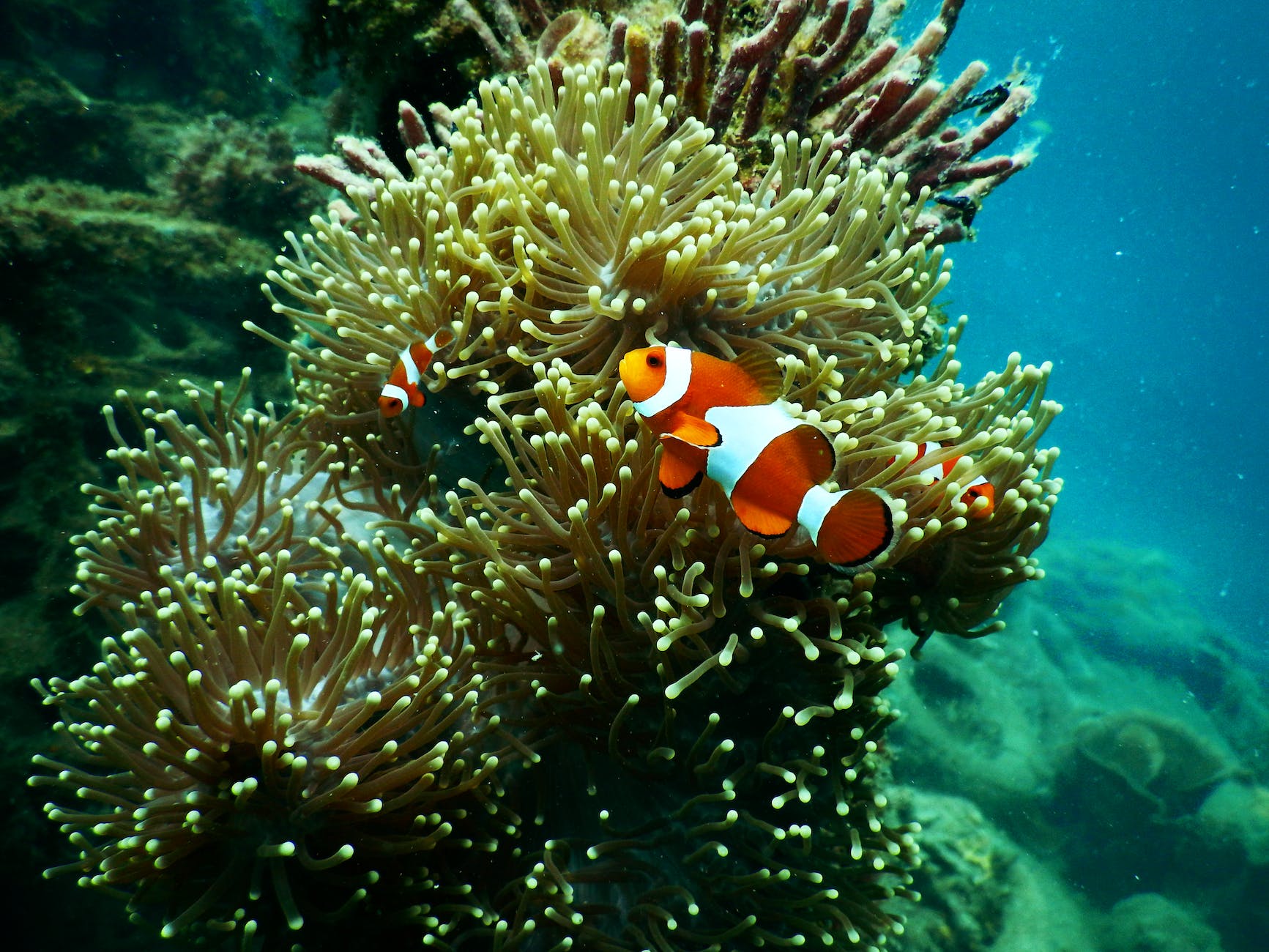
Coral reefs are an incredibly important ocean habitat. Referred to as the ‘rainforests of the seas’ coral reef habitats are likely the most biodiverse habitat in the ocean (estimated 25% of all marine species live in and around coral reefs) and provide a large fraction of the Earth’s biodiversity (1).
Coral reefs are composed of a symbiotic relationship between coral and an alga called zooxanthellae (1). Zooxanthellae photosynthesise, providing food to the coral whilst being protected by the coral which forms a hard outer shell made from calcium carbonate (1). This symbiotic relationship is mutually beneficial to both parties, meaning that if one (either zooxanthellae or coral) becomes negatively impacted by threats such as climate change or overfishing, the other will also be negatively impacted leading to the degradation of reef systems. One cannot not live without the other.
Reef ecosystem services:
Coral reefs provide a plethora of ecosystem services such as: acting as a nursery habitat to many species (1) like grunts for example. A nursery habitat is a habitat that provides shelter and food to juvenile fish. They’re vital ecosystems which if lost would massively impact many species and ultimately whole ecosystems.
But coral reefs don’t just provide ecological benefits – they also benefit us! You may be thinking: ‘how could a coral reef benefit me in any way?’ Well, reefs provide a wide range of economic benefits such as providing recreational activities like snorkelling, being a very popular tourist attraction, a habitat to local fisheries, and protecting valuable coastlines from large storm events. Reefs even have complex compounds which may have potential in modern medicine practices (1).
What threats do reefs face?
Unfortunately, coral reefs face an array of threats from pollution, pathogens, destruction, coral harvesting, microplastics and more (2). To talk about all the threats in detail would likely take hours. I’m going to break it down and discuss perhaps the two most significant threats: overfishing and climate change.
Overfishing:
What is overfishing and why is it bad? Fishing is one of the most prominent drivers of ocean wildlife declines (3). I once heard the fishing industry being described as ‘the fish cartel’ and though harsh, there is some truth to that description. The number of globally overfished stocks has tripled in the last 5 years. This means we are fishing over carrying capacity and what we take from the ocean cannot naturally replenish itself. The two main causes of overfishing are illegal fishing and (surprisingly) subsidies (3). The illegal market for high-value fish is incredibly lucrative, racking up to 36.4 billion dollars per year (3). Subsidies provided to local fishing industries can lead to overcapacity of fishing vessels and skewing production costs. The worldwide fishing fleet is up 2 ½ times the capacity needed to catch only what we need (3).
When I was researching for this podcast, I came across an article written in the Guardian last year by Emma Bryce titled ‘Millions of tonnes of dead animals: the growing scandal of fish waste’ (4). It’s an eye-opening read, I recommend everyone have a look – the link is in the reference list or on my blog on this topic on the website. I’ll highlight a few stand-out figures: in 2019 230, 000 tonnes of fish were dumped in EU waters, 92% of which was likely from the fishing method bottom trawling (4), 35% of all fish, crustaceans and molluscs harvested from oceans, lakes and fish farms are wasted or lost before they reach our plate (4).
I’ll have to stop there but I could do an entire episode on overfishing – maybe I will in the future! Either way, I’m sure you can imagine the impact this has on our oceans. Altering the number of fish in our seas directly impacts habitats like coral reefs due to the degree of interconnectivity between species. For example: take the reef shark. Sharks are a popular target of illegal fishing vessels due to the high value of their fins (5). Removal of the reef shark from an ecosystem will have a direct impact on herbivore populations resulting in increased grazing. This causes a reduction in photosynthesis and therefore degradation of the coral reef habitat.
Climate Change:
What influence does climate change have on our reef systems? Climate change has multitude impacts on reef systems, but I’ll outline two key ones: acidification and temperature rise. Ocean acidification is the worldwide reduction in the pH of seawater due to the increased uptake of CO2 into the ocean (8). The increased acidity in the water makes it more challenging for corals to build their hard exoskeletons. In Australia’s Great Barrier Reef, coral calcification has declined 14.2% since 1990, a decline that hasn’t been seen for 400 years, marking a unique and rapid change (1). Increased temperatures result in coral bleaching due to the expulsion of zooxanthellae from the corals tissue resulting in the loss of photosynthesis. This results in coral death. Mortality becomes likely if the coral experiences sea temperatures 1 degree Celsius greater than the historical maximum (7).
What can be done to save coral reefs?
In the documentary ‘Chasing Corals’ they state: ‘Any problem can be solved, you just have to do a bit of creative thinking’. So, what can be done?
Governments could introduce policies that target overfishing by creating protected zones and introduce legislation to get us closer to net zero. This would protect the reefs directly by targeting overfishing and indirectly by reducing the concentration of greenhouse gasses being emitted into the atmosphere.
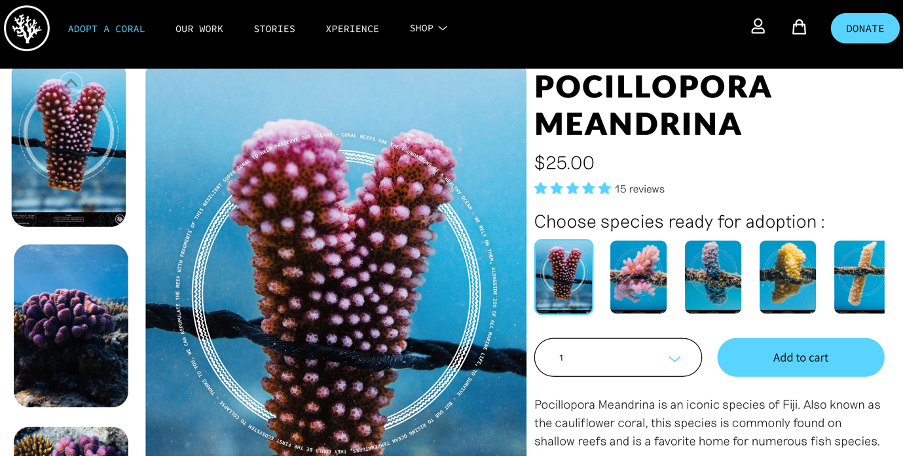
Scientists are tackling reef degradation through projects like ‘Coral Gardening’ where divers are ‘restoring the ocean, one coral at a time!’. (11)
What can you do to save our reefs?
Some things you can do at home to save our corals include:
-Wearing reef-safe sun creams
-Buying fish with sustainable accreditation
-Buying from local sources
-Reducing your carbon footprint
Check out our blog ‘Paving the way to Net Zero’ to find out more about how to reduce your carbon footprint. Most importantly, learn about coral reefs, overfishing, climate change and reef degradation! Talk about it with your friends and family and spread the word!
If you can volunteer at a beach clean or if you live in an area with reefs, volunteer for a reef restoration project! And finally, check out the site https://coralgardeners.org to learn more about reef restoration. You can even donate $25 to plant a coral, maybe even gift a coral for someone’s birthday!
References:
- https://education.nationalgeographic.org/resource/coral-reefs/
- https://www.epa.gov/coral-reefs/threats-coral-reefs
- https://www.worldwildlife.org/threats/overfishing
- https://www.theguardian.com/environment/2022/may/09/millions-of-tonnes-of-dead-animals-the-growing-scandal-of-fish-waste
- https://ejfoundation.org/news-media/illegal-fishing-an-existential-threat-for-sharks-and-the-oceans#:~:text=Illegal%20fishing%20vessels%20often%20specifically,for%20space%2C%20sunlight%20and%20nutrients.
- https://www.nature.org/en-us/get-involved/how-to-help/animals-we-protect/parrotfish/#:~:text=The%20parrotfishes’%20digestive%20system%2C%20which,to%20attach%20to%20and%20grow.
- https://www.nesdis.noaa.gov/news/rising-ocean-temps-raise-new-concerns-coral-reefs
- https://www.britannica.com/science/ocean-acidification
- https://www.gov.uk/government/news/government-scales-up-support-to-protect-the-worlds-ocean-with-multimillion-boost-for-marine-recovery
- https://www.unep.org/resources/report/coral-reef-restoration-guide-coral-restoration-method
- https://coralgardeners.org
 All Things Biology