
What are you doing this evening?

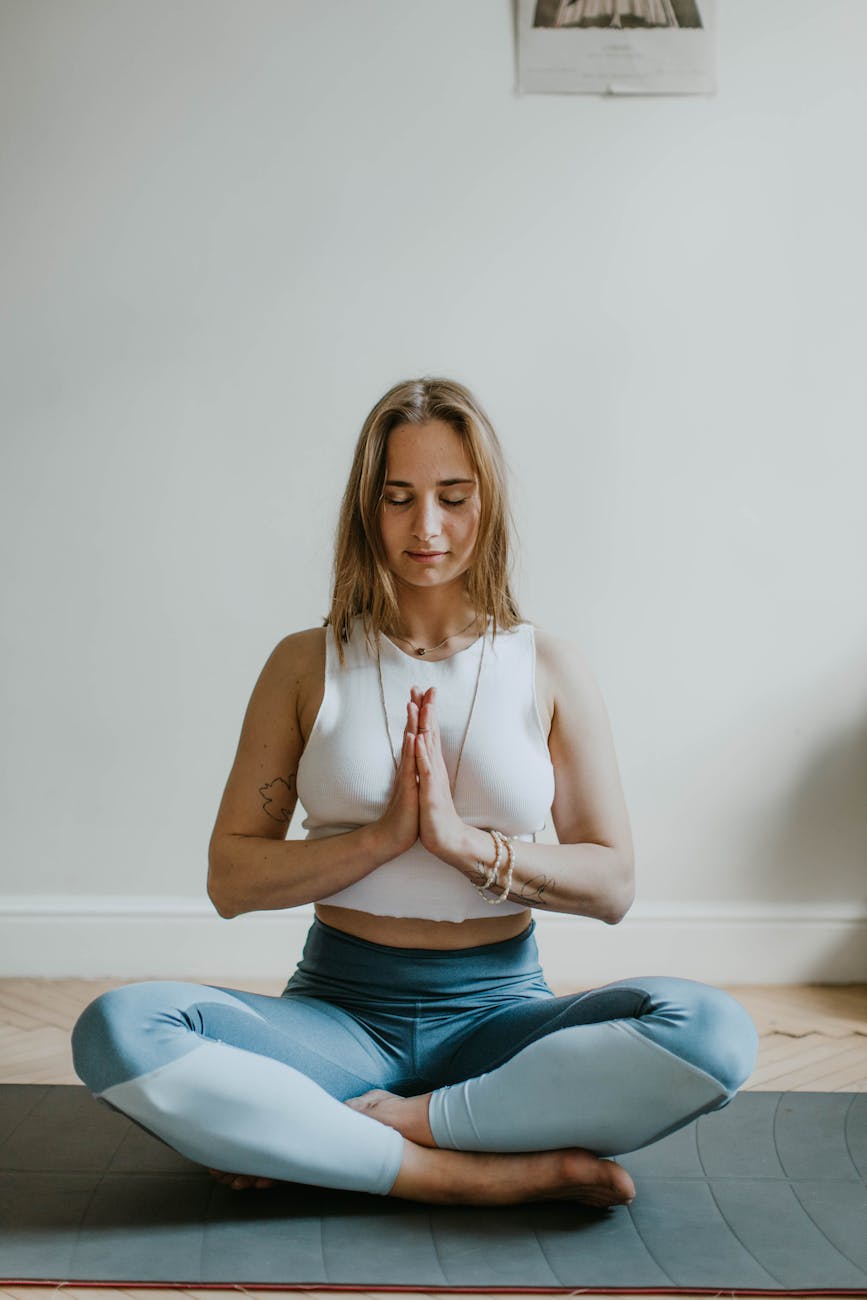
I think every person at some point has found it almost impossible to relax in the evening. Maybe it’s after a long day of stress and you’re struggling to put the anxieties of the day behind you or maybe its the opposite and your day was so packed full of excitement you just cant settle down. The wellness industry (arguably also a relaxation industry) is one of the fastest growing industries in America (1) with its worth placed at around 1.3 trillion globally (2). It recommends a multitude of activities to aid in relaxation ranging from yoga to mindfulness to crystal healing…
But are all these methods backed by biology?
Before investigating further I will briefly outline the science behind stress. During times of stress cortisol levels rise resulting in a surge of adrenocorticotropic hormone levels. During long term periods of stress adrenocorticotropic hormone levels will return to a normal level but cortisone levels will remain high. Thinking at an evolutionary basis, raised cortisone levels are part of the ‘flight or fight’ response promoting survival in deathly situations (3). The problem is, in the modern world its unusual to encounter a bear during your commute in London so stress tends to be influenced more strongly by factors such as relationship issues, work or school problems etc. This often results in most people undergoing stress response daily, and some even experiencing ongoing levels of stress.
The continued rise in cortisone levels can have negative health impacts. Raised cortisone levels results in increased glucose concentration in the bloodstream, slows down digestion and suppresses the immune system (4). Therefore, long term stress results in weight gain, slow healing, high blood pressure and, though less detrimental on your health (but still unpleasant) acne, headaches, difficulties concentrating and most unpleasant for your evening: reduced sleep quality (5).
So how can we reduce cortisone levels and overall stress. Activities such as mindfulness and yoga certainly have shown health benefits with studies showing completing a stress reducing yoga course resulted in significant reductions in stress response (6) (though, similar results may be seen with most increased physical activity such as running, increased walking, etc as it gives individuals a stress outlet and release).
But what about the more nuanced stress reduction methods like crystal healing, or tarot cards recommended on sites such as goop created by Gwyneth Paltrow?
Ultimately, though some methods of stress response may not be totally backed by biology, stress is also an emotional response. Therefore, if you believe something will help you calm down and reduce stress, the placebo effect will kick into action and it actually will! (7). So to conclude, though there are many biology backed methods of reducing stress such as increasing physical activity, stress reduction also works on an individual basis and activities with less scientific backing may still have significant positive stress reduction effects on any person who believes it will.
References:
- https://insider.fitt.co/meditation-mindfulness-startups/
- https://www.mckinsey.com/industries/consumer-packaged-goods/our-insights/wellness-in-2030
- https://www.nature.com/articles/s41574-019-0228-0
- https://www.mayoclinic.org/healthy-lifestyle/stress-management/in-depth/stress/art-20046037#:~:text=Cortisol%2C%20the%20primary%20stress%20hormone,fight%2Dor%2Dflight%20situation
- https://www.healthline.com/health/high-cortisol-symptoms#symptoms
- https://pubmed.ncbi.nlm.nih.gov/32797683/
- https://www.medicalnewstoday.com/articles/crystals-for-anxiety-and-depression#psychological-effects





 All Things Biology
Leave a comment